
195. How do Artists Handle Creative Changes?
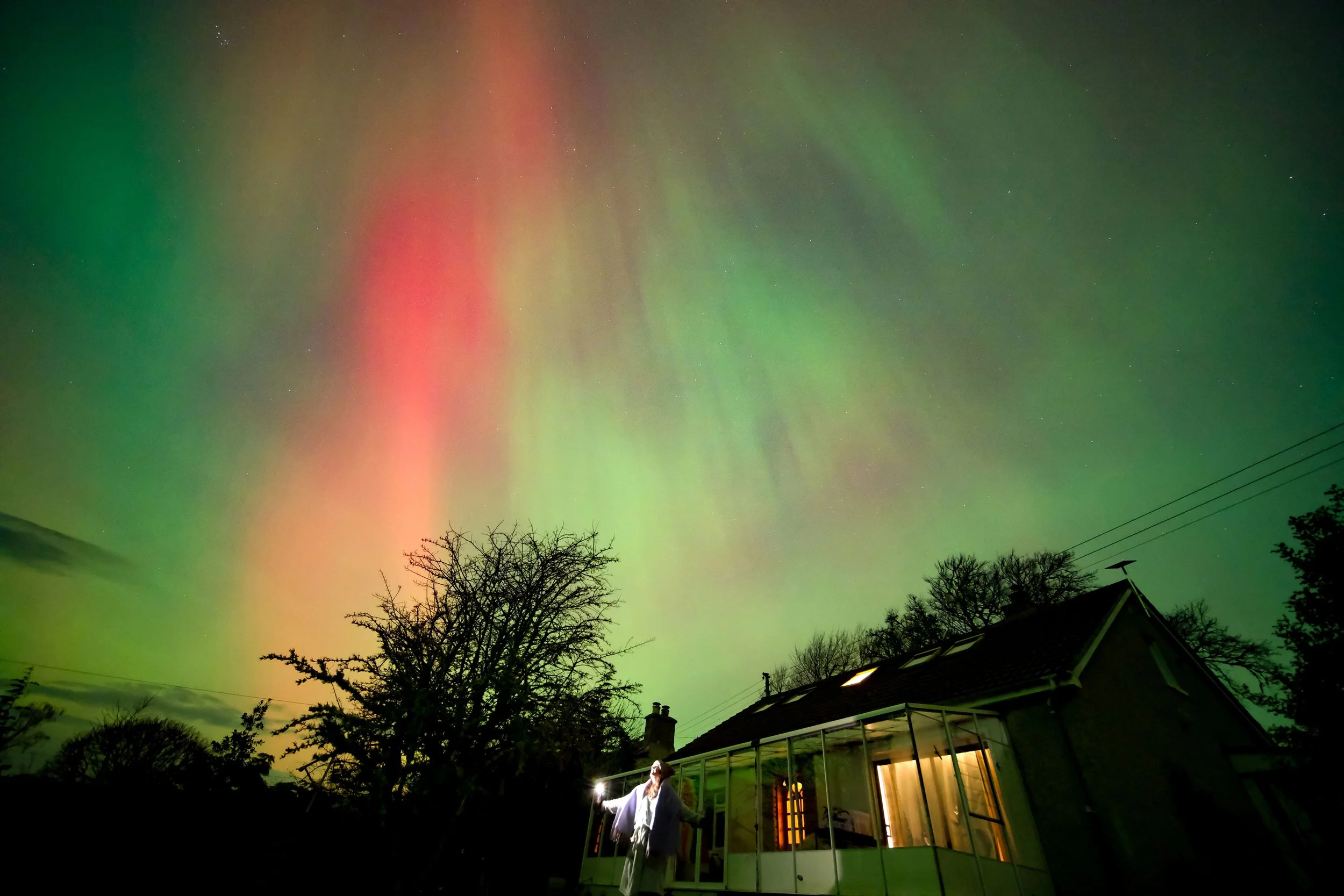
Standing outside our new house, watching the aurora borealis
We recently bought a home and moved back towards Inverness - an area we’ve always loved. As I was packing and unpacking, I kept coming across dozens of old paintings. Lots of unfinished oil or acrylic landscapes on canvas that were tucked away in the shed, each one holding a beautiful memory. Each one representing a special time in my artistic life. It got me thinking - wow! I’ve changed.
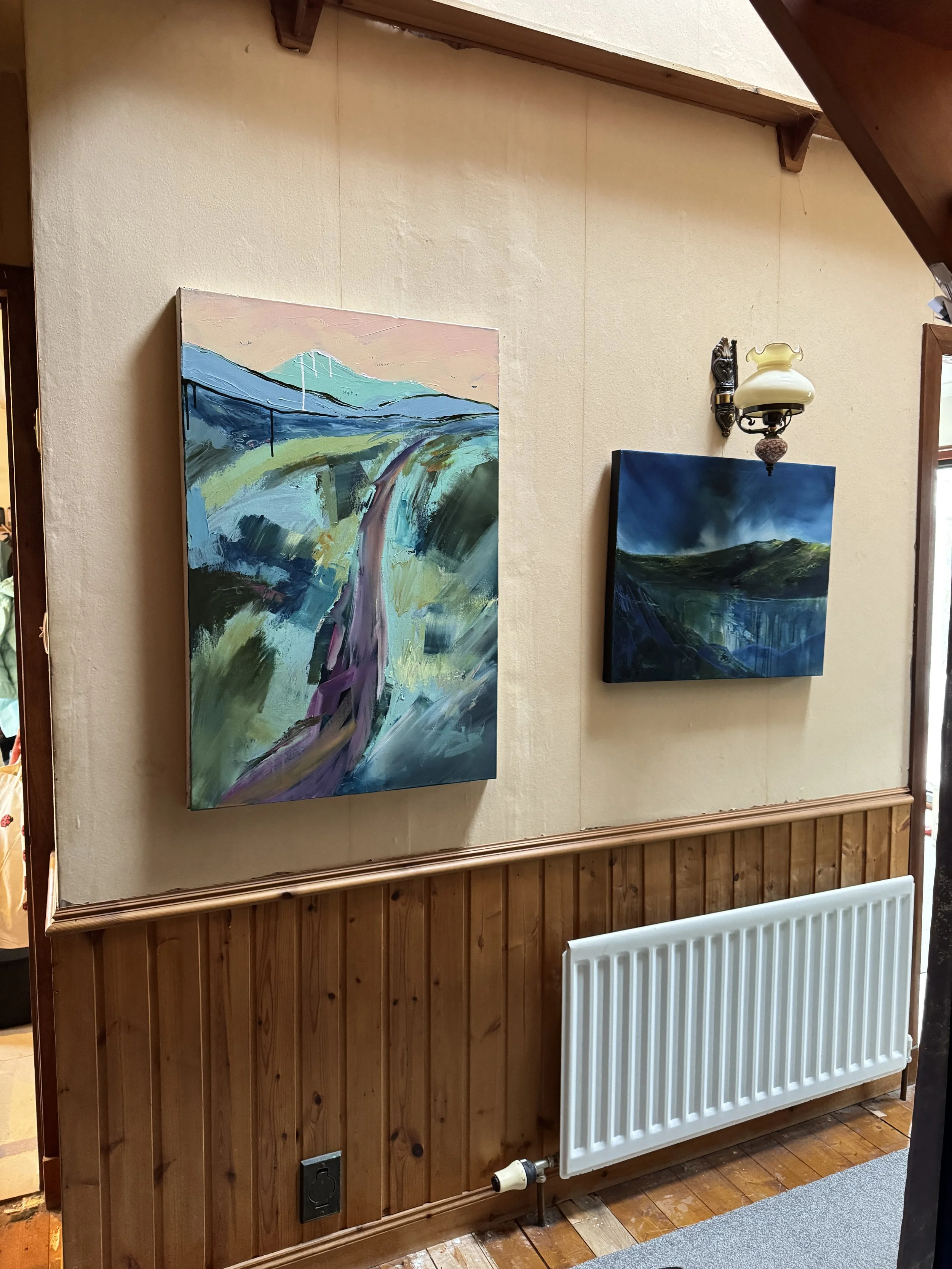
Some old paintings I dug out of storage (please ignore the unfinished walls)
Not all of me has changed. But my artistic path has meandered quite a lot over the years. Nowadays I spend most of my creative energy in my sketchbooks, not on large canvas.
I’ve been thinking about how much I’ve changed as an artist over the past ten years. I still paint landscapes mostly, and nature is still my biggest inspiration. But for a long time I felt that selling work (especially in a gallery) is what legitimizes your artistic career. I’m sure it’s because I grew up in the 80’s and 90’s without internet, when that was the only way.
But there’s a flaw in that logic - it assumes you need permission from others to call yourself a “real” artist. And times have changed. The internet is our new gallery. You can make a living as an artist and reach huge financial success without ever leaving your home. Without ever touching a canvas. The possibilities are endless.
Perhaps with age I became more confident in who I am. I don’t feel the need to apologize for what I want, I just go for it. And that means if I don’t want to paint large gallery pieces, I don’t.
(side note: I do miss painting large, and plan to get back to it now that we’ve moved to a bigger home!)
Another thing that shifted for me was the realization that time is my currency. Money comes and goes (mostly goes it seems). But time is truly the only priceless and precious thing I have. Freedom of time is everything to me now.
Making my own schedule and choosing what I want to do, when I want to do it, is how I define my own success.
Realizing this set me free in a way. Free of confusion about what I want. I will work as hard as I need to in order to maintain my freedom of time. Granted, most of my free time is spent on painting, because I love it! So it often feels like I never stop “working” - but again, that’s not so bad when you love what you do.
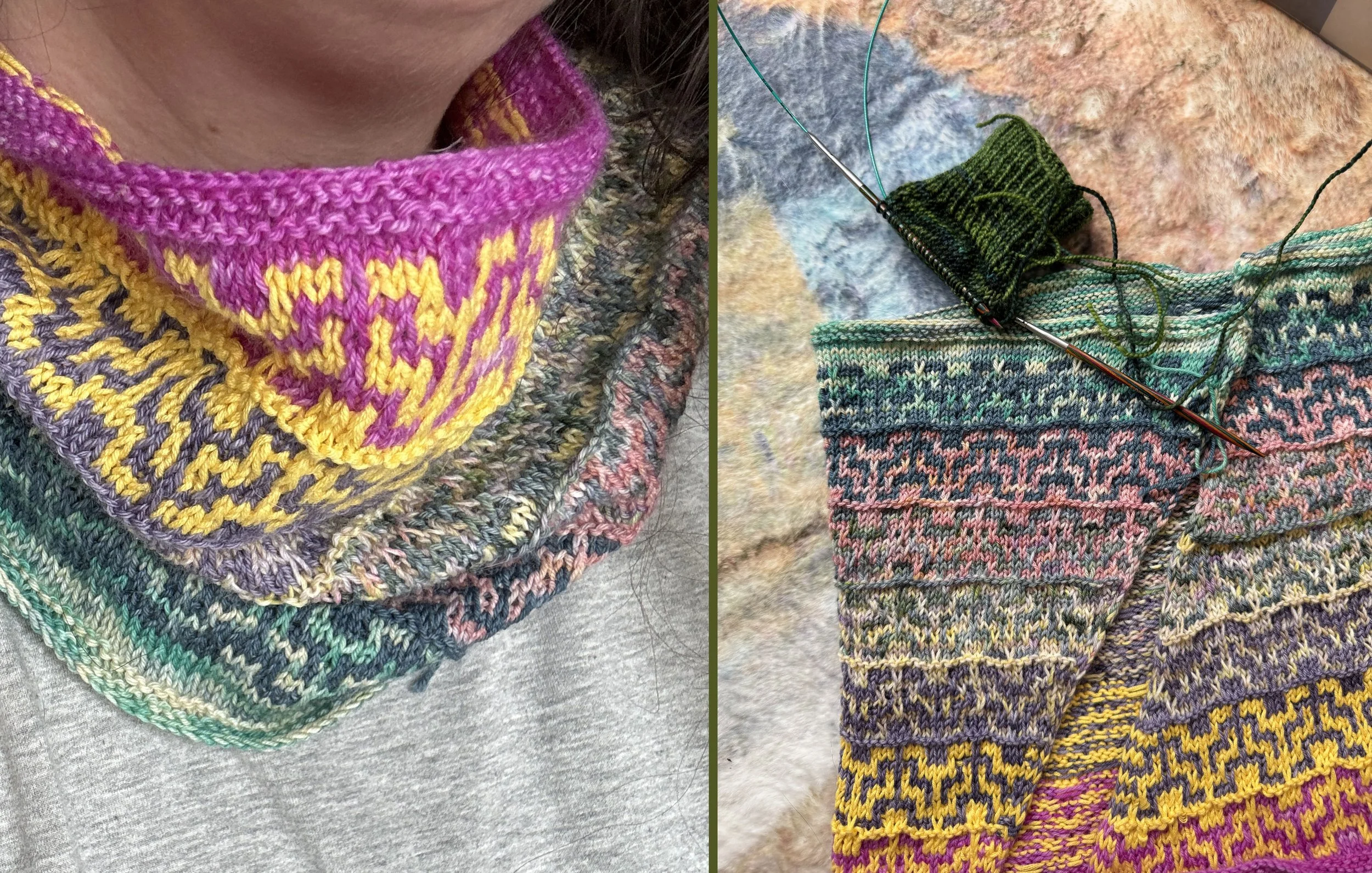
In recognizing that, I’ve started pursuing other creative hobbies more heavily, with absolutely no pressure to share or monetize it. Knitting has become a huge passion and takes up a lot of my free time now. I think this has helped me create a better work / life balance, so that I take breaks from painting but my creativity can still thrive.
When Change is Scary
Sometimes I fear creative change, because when your income depends on the success of your art business, that creates a certain amount of pressure to maintain the norm. It does depend on the audience and product, but it’s a legitimate concern.
However over the years I’ve realized that change is healthy and my audience likes it, to an extent. My passion lies in painting and sharing the beauty of nature, and that will always be the basis of my business. But within that there is room to play.
I have to constantly remind myself that it’s OK to try new mediums and subjects and styles and that in the long run, my audience is there for it all. They recognize the joy in the act of creation. The enthusiasm is contagious.
So when I found all these old canvases in my shed, it brought back a flood of emotion, back to times when I was scared about pivoting, wondering if I was dooming myself.
I’m happy to report that through all of those changes, my business has not only stayed afloat but it is thriving. And that is a direct result of me following my passion. The audience is there for the passion!
Let’s hear from other artists
I reached out to some artist friends to ask how their creative process has changed because I wanted a wide range of perspectives. Here are their answers (and make sure to check out their work if I’ve linked to them!)
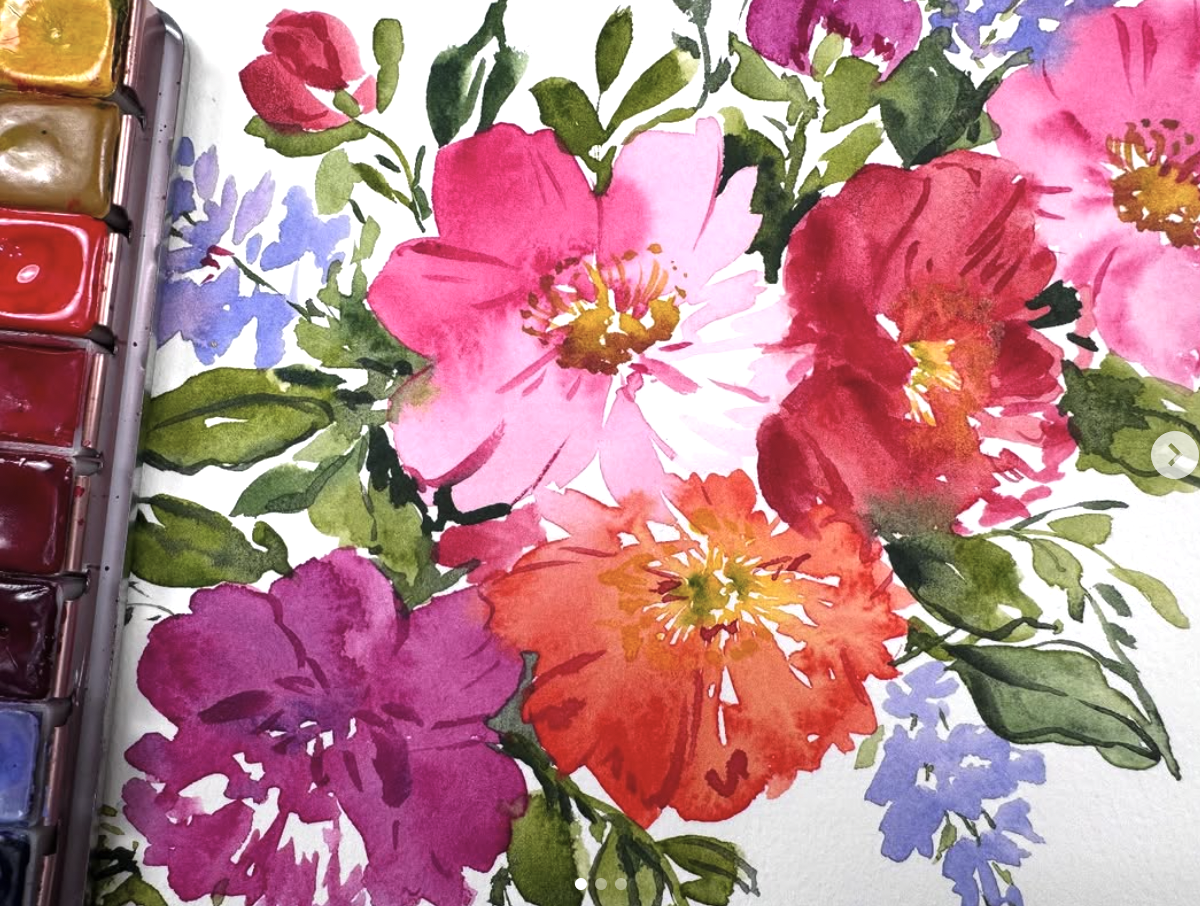
Emma Lefebvre
Emma Lefebvre - https://www.emjwatercolourstudio.com/
How long have you been a professional artist?
”It’s funny you say professional artist because to be honest, I don’t feel like I am. I think I’ve always thought of myself more as a teacher than an artist. I think that may come from the fear of creating work to sell, which I don’t do (yet… maybe one day). As for my art teaching career, specifically on YouTube, it’s been almost 8 years!”
Have you gone through creative changes over the years - if so what were they?
“I think I’ve gone through a ton of creative changes over the years. I feel like I’ve evolved so much in my style, skills and approach to art. A huge reason for that is because I am constantly being inspired by other artists on YouTube and Instagram. I have learned so much from other artists that push me to want to try new things and explore new mediums and I’m so grateful for that!
When I was first starting out I was sticking strictly to watercolour because of its ease and accessibility with my son who was a baby at the time. It was easier to jump in and out of a painting with watercolour more than other mediums. But as he grew older and I discovered more artists (like yourself) using gouache and other mediums, I became so excited and inspired to try new things!”
How did your practice change? Do you ever fear change, because it is uncertain, or worry your followers won’t like it?
“I think there was a part of me that became bored with creating watercolour florals again and again. While it will always be my first love, I was creating 3 videos a week for years on end, and I craved something new! With that definitely came so much fear that my audience wouldn’t like it. YouTube was my main source of income and if people don’t like the videos I was creating while trying new things, that would impact my career! But I also needed something to keep me going creatively! I found myself feeling so much burnout and stress over the years trying to create for others rather than creating for myself. There was a period when I lost my joy in painting because of this. I had to change my mindset and realize that people got more out of seeing me creatively excited in my videos than burnt out. So I ran with it and started creating for me and trying new things!”
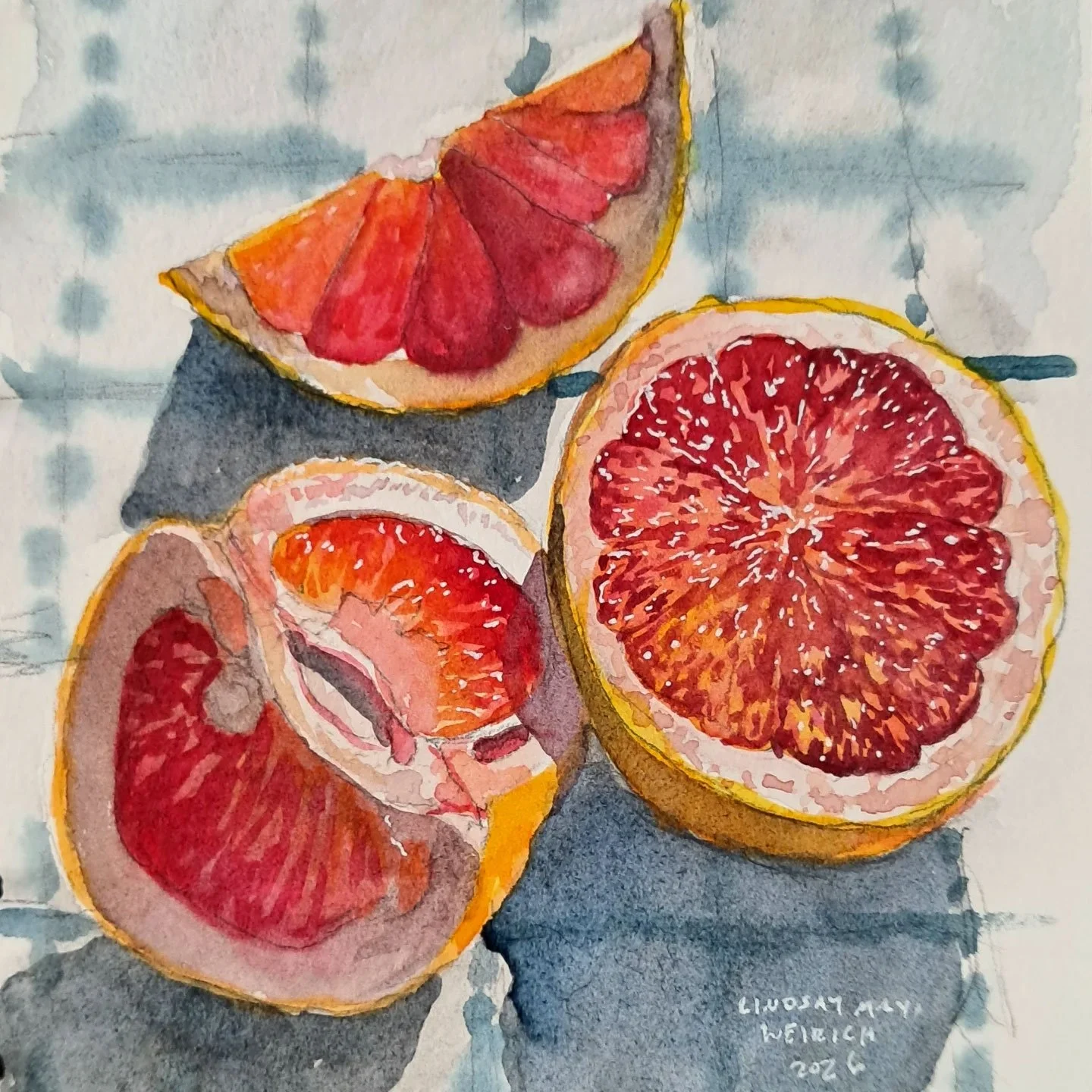
Lindsay Weirich
Lindsay Weirich - https://thefrugalcrafter.wordpress.com/
How long have you been a professional artist?
I have been a professional artist for 27 years. Most of my income has come from teaching classes.
Do you ever fear change, because it is uncertain, or worry your followers won’t like it?
Before blogs, youtube, online teaching platforms and social media I taught in person so im not super worried about followers or the algorithm. I can always do more in person teaching if the internet as we know it goes away. Don't get me wrong, I have my little "freak outs" about subscriber and view count but nothing is certain so we might as well enjoy it while it lasts. I am grateful for the opportunity that YouTube gave me but I also look at it like a windfall and think about how I will let people know about my classes if it goes away. Everything does eventually. Tastes change and things that were once popular become irrelevant. You just need to collect enough skills along the way so you can support yourself in the future. There are a million easier ways to make a living than being an artist so if I don't make the art I want to make than what's the point? That's not to say there is no compromise when you are share art as a product but you have to make work thst sustains your soul, not just your bank account.
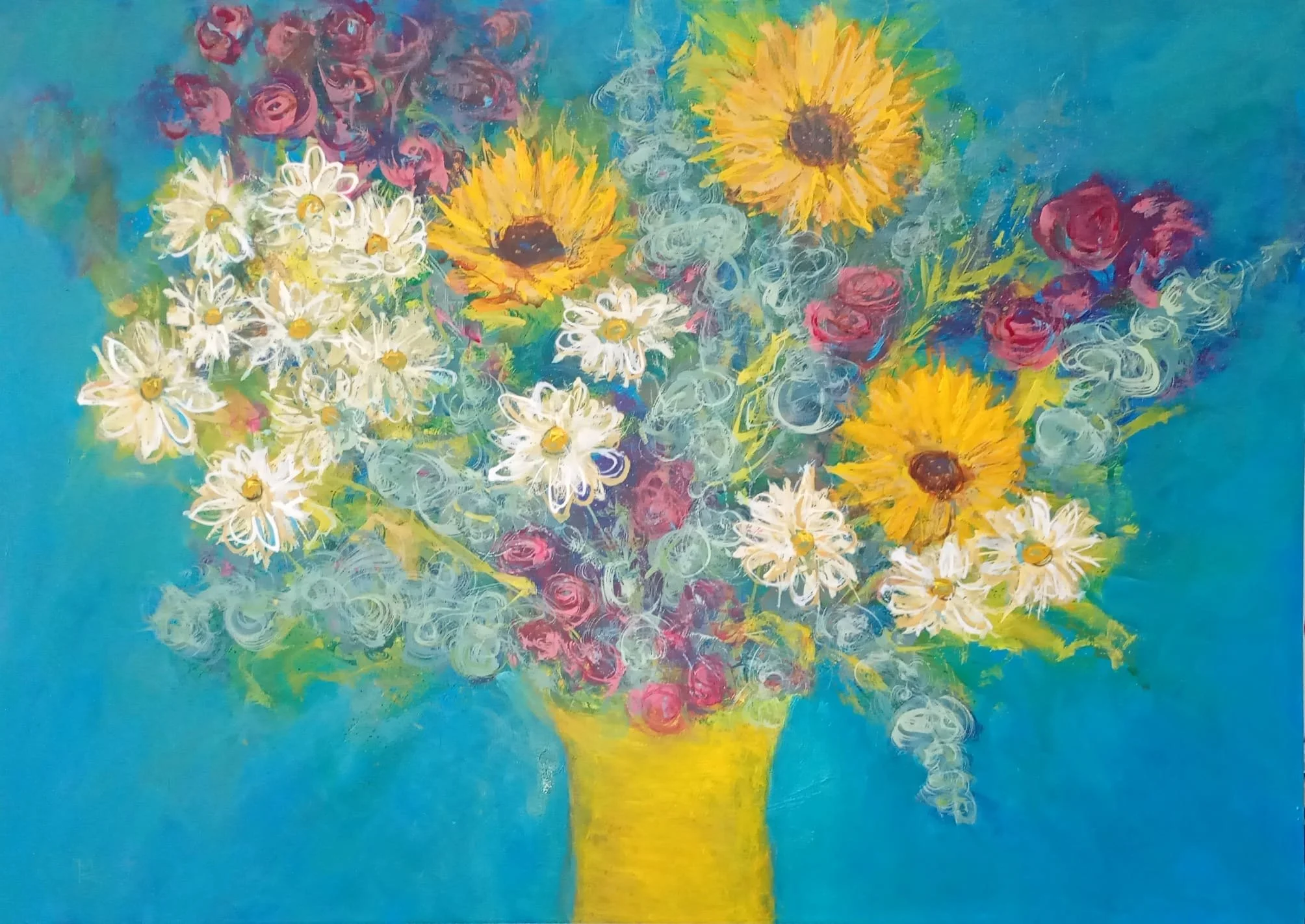
Marion Boddy-Evans
Marion Boddy-Evans https://marion.scot/
How long have you been a professional artist?
This is a tricky question to answer. Did the first painting I sold make me a professional artist or was it when I started selling enough to make a living or when the income from selling my art exceeded my income as a writer and editor? I went full-time freelance about 20 years ago.
I wrote the painting section for About.com for 12 years, from 2002 to 2014, in the era of big content websites. A lot of these articles are still online in various forms, but the quarterly payment I now get buys a cup of coffee not boxes of art supplies. To read my articles as I wrote them, use WayBackMachine. I have current followers and newsletter subscribers who met me through Painting.About.com. I have met quite a few in real life when they've travelled in Scotland, which is fabulous.
How did your practice change? Do you ever fear change, because it is uncertain, or worry your followers won’t like it?
I learnt early on that whatever I do online there'll be someone who doesn't like it. I once had someone take the time to email me to complain about my free printable stencils, that they were too simple. I mute such people ruthlessly because they're not my tribe.
Have you gone through creative changes over the years - if so what were they?
I think of my art as as circular, that I move through the different subjects I enjoy, and work in different mediums. I regularly come back to something but it's never the same as I have more miles under my paintbrush. If you look at my Instagram you'll see it's eclectic, not tightly curated.
One example of change is that this past year is that I have done a lot of ink drawing on concertinaed paper. Part of the reason is practicality: I moved to within walking distance of the sea and started putting a pen and piece of paper in my pocket. The format and medium are a change, but my love of line is not.
Another part is tied into how I have been unable to "pick up where I left off" after losing my soulmate, and needing a new approach to my art. I worried a lot that my followers wouldn't like my talking about my grief, but ultimately felt not doing so would be denying my reality. I needn't have worried: I have received so much love and support.
Be your authentic self, not the tidied-up version. It's what makes you the artist you are.
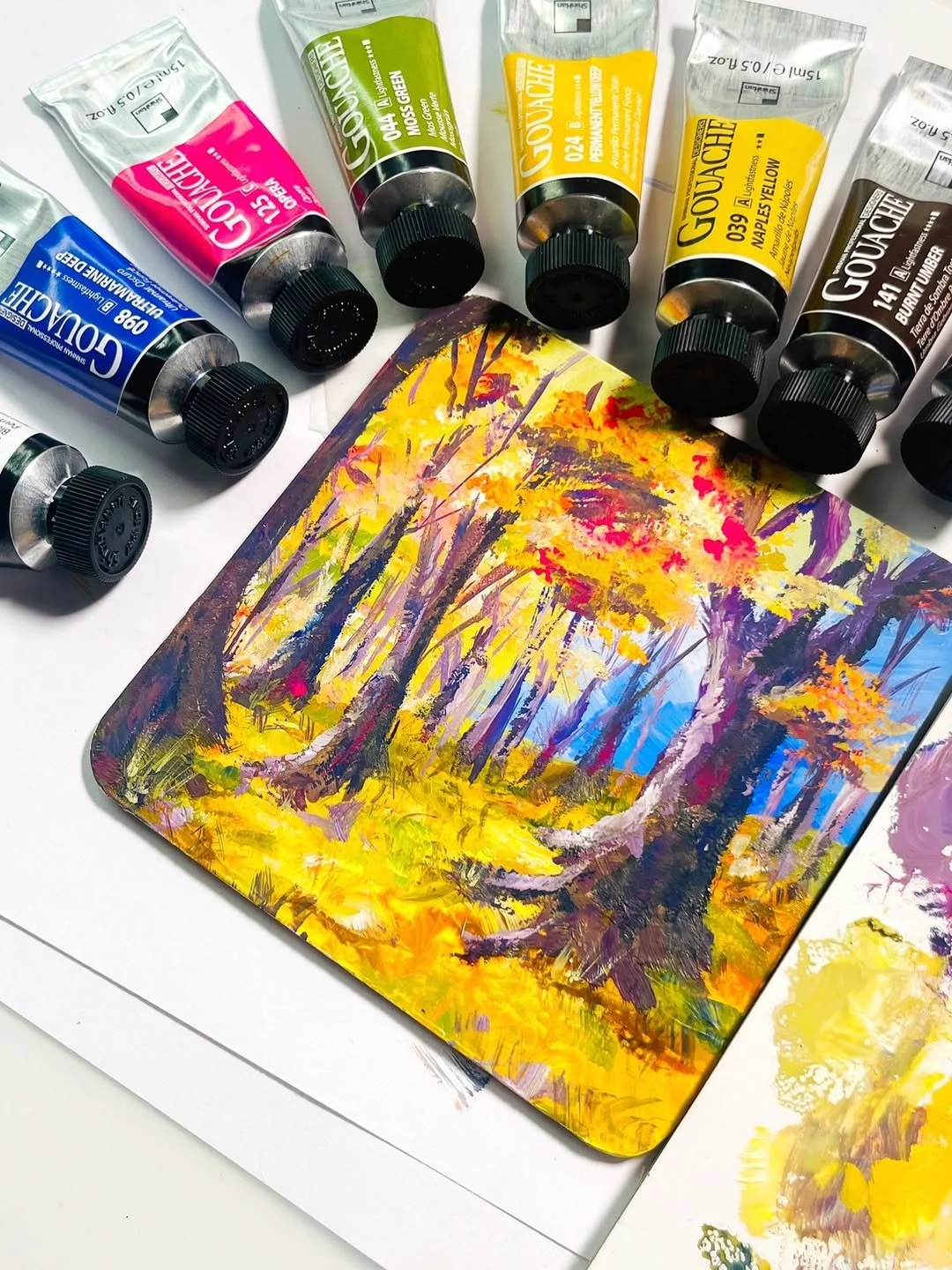
Sketches.n.Scrubs
Sketches.n.Scrubs - https://www.sketchesstudio.com/
How long have you been a professional artist?
My journey to becoming a professional artist was not linear. I started painting in 2020 for myself, and sharing with others as a way to put something positive and joyful out into the world. That simple 100-day challenge gradually evolved into making YouTube videos, then teaching through an art membership with people from all over the world… and now hosting art retreats!
Picking up a paintbrush was one of the best things I’ve ever done for myself. There have been so many phases in my creative journey, each with its own gems and lessons. I hope I always carry pieces of each version of myself forward—the enthusiasm, curiosity, and fearless enjoyment of the process (regardless of the result) from when I first started painting, the dedication I found through teaching, and the confidence that took years to build to use my favourite, precious supplies—and to help others do the same.
Have you gone through creative changes over the years – if so what were they? Do you ever fear change, because it is uncertain, or worry your followers won’t like it?
I do sometimes worry about how my art will be received. I find myself wanting things to fit into clear themes or subjects—to feel cohesive and easy to follow. But art isn’t always logical, and my creativity definitely isn’t linear. Some weeks I’m painting gouache landscapes, other times I can’t put down my watercolours. I love painting landscapes, still lifes, florals and abstracts. Creating art and sharing the joy of creating art through teaching are two different things, I love both, but they require balance.
I’ve tried being very structured, and I’ve also tried having no structure at all…
Ultimately, I’ve found that the best way I can inspire others to paint is to stay inspired, curious, and excited about art myself. So I allow myself to explore; whatever the medium, subject, or outcome (and regardless of analytics). I trust that this will help me grow as an artist, and that the right people will find me, learn, enjoy it, and stay.
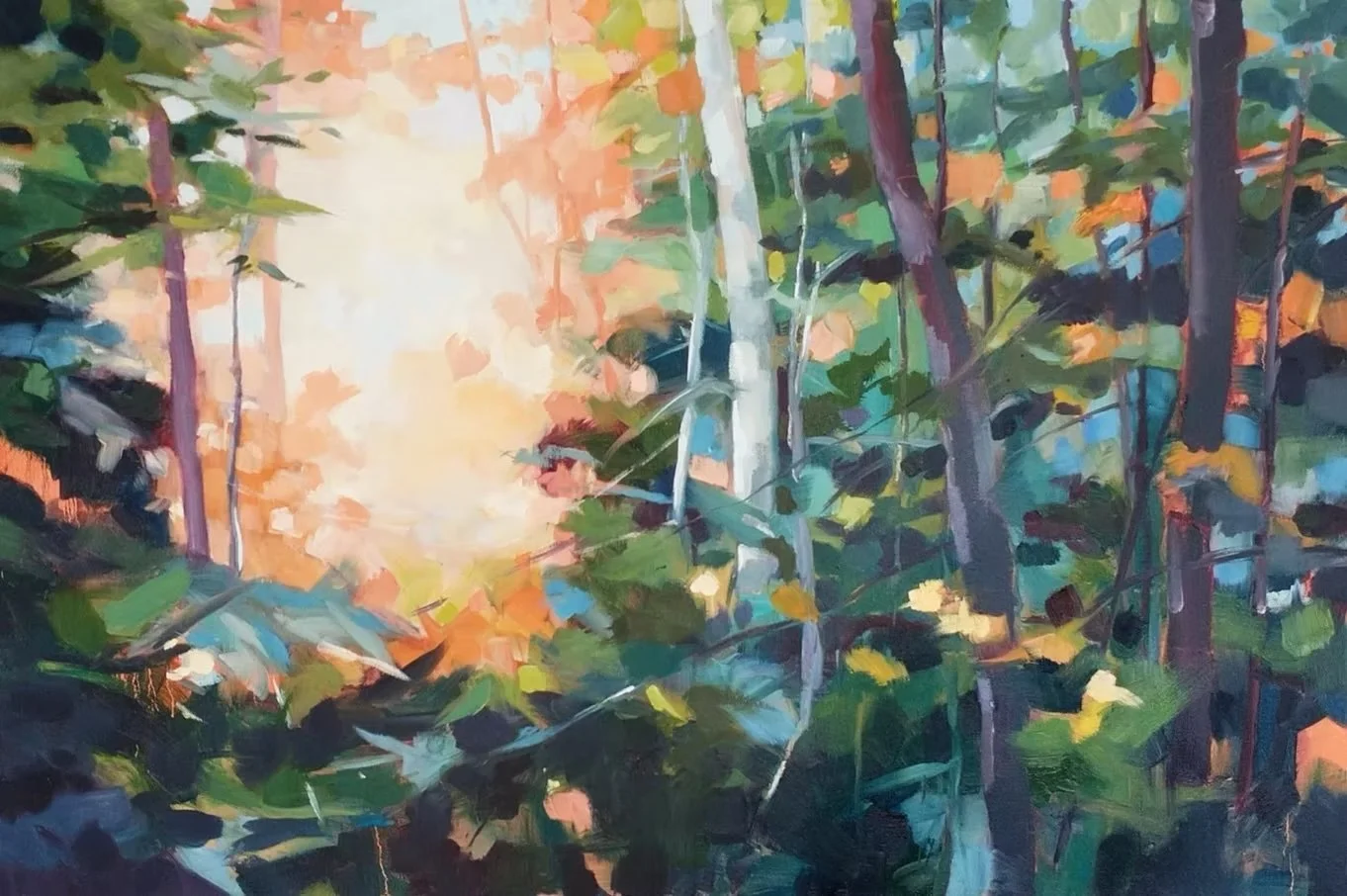
Suzanne Birch
Suzanne Birch - https://www.suzannebirch.com/
How long have you been a professional artist?
I consider myself a semi-professional artist, by far not a professional one as my art is not my main source of income, nor do I want it to be! I first started putting my artwork 'out there' online in 2019, and the social media vs artistic freedom dilemma has been quite a big one for me, especially in the earlier years when I was exploring my art more as a business.
Have you gone through creative changes over the years – if so what were they? Do you ever fear change, because it is uncertain, or worry your followers won’t like it?
In my view it is vital to always follow your artistic curiosity, even if you're creating something completely different than your followers are used to. Social media is a difficult beast to please anyway - the algorithm is always changing and for a few years now there has been a big shift towards video-content, which is very time-consuming to create and hard to keep up consistently. If you really pursue your art as an online business and want to get eyes on your work in order to drive sales, you have to develop your online brand identity and stay coherent in your work, and push out the stream of content that does well online. I've always found this very difficult to do - it is the direct opposite of what I need to thrive as a painter. I need freedom to explore, take creative U-turns, and also freedom to not create at all at times when my creativity ebbs. I first suppressed my creative changes when I felt the work would be too different and put people off, but that was not sustainable for me as an artist. I felt that I was creating pretty social media content first, and authentic artwork second, and I quickly lost the joy in doing that. In my creative work I've switched from figurative bird portraits, to abstract collage, to minimalist geometric pieces, to expressive landscapes and back to figurative again.
I might have lost a few followers along the way but it was the best thing I could have done for my artistic growth. Freely exploring, creating messes, experimenting, failing, doing 'ugly' pieces and enjoying where they take you, is so vital for an artist's growth and joy in their work. Some artists are great at taking their followers along that journey with them, but I've found it very difficult to do this - the social media part was always interfering with my own intuitive inner voice. I'm now using social media more as an artistic outlet rather than a marketing platform: I post whatever I want, whenever I want. I post ugly things, sketches, 180 degree turns and unfinished paintings. My feed is a lot less polished now than it used to be when I still tried to stick to a brand identity - but I'm a much happier artist for it!
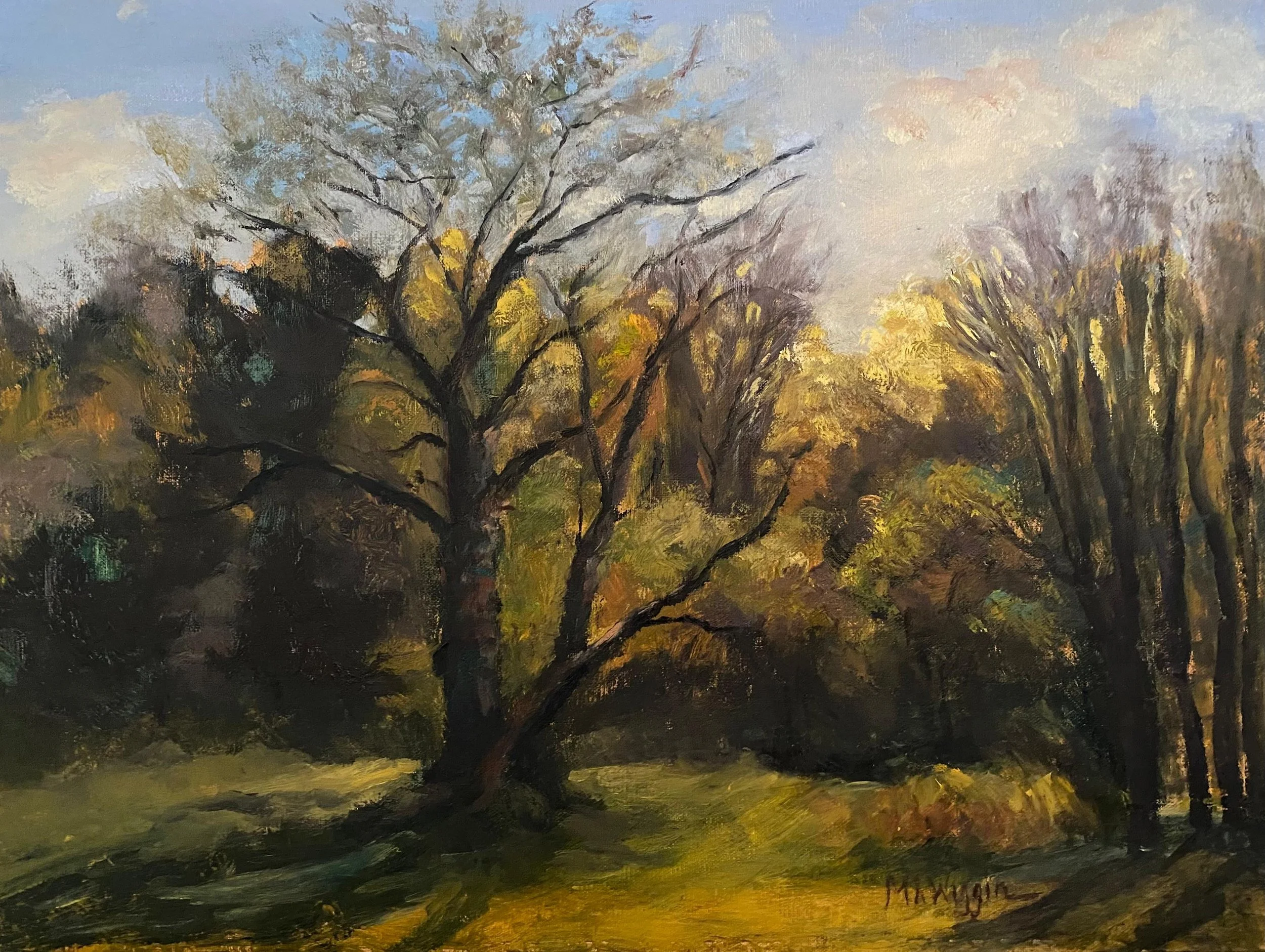
Melody Wiggin
Melody Wiggin - https://melodywigginartist.com/
How long have you been a professional artist?
I started painting late in life and thus began professionally working as an artist in 2020.
Have you gone through creative changes over the years – if so what were they?
I would say the biggest change is that I now paint with more intention. I pay closer attention to the focal point and making sure the rest of the painting supports it. As an example, rather than thinking “gee that’s pretty – I should paint that”, I think of whether the scene has a good composition that directs the eye to the focal point and keeps the eye within the painting. I also think of how I can change the structure of the painting to benefit the focal point.
How did your practice change?
I spend more time on preparation of a scene and also the finishing process. The preparation includes more thought around the area of structure. The finishing process is typically the last 1/3 and makes the painting “pop”, so it is very important that I do not ruin a well structured painting by veering off in a direction that disguises the original structure.
Do you ever fear change, because it is uncertain, or worry your followers won’t like it?
Yes, certainly. In my case, my fear revolves around pricing rather than creativity. I do not fear changing my creative process, such as mediums or expression. However, I am working on “upping my game” to get into more prominent galleries and museums, which means a price increase. That is scary. Are my paintings worth it? Who are they worth it to? Who am I hoping to reach?
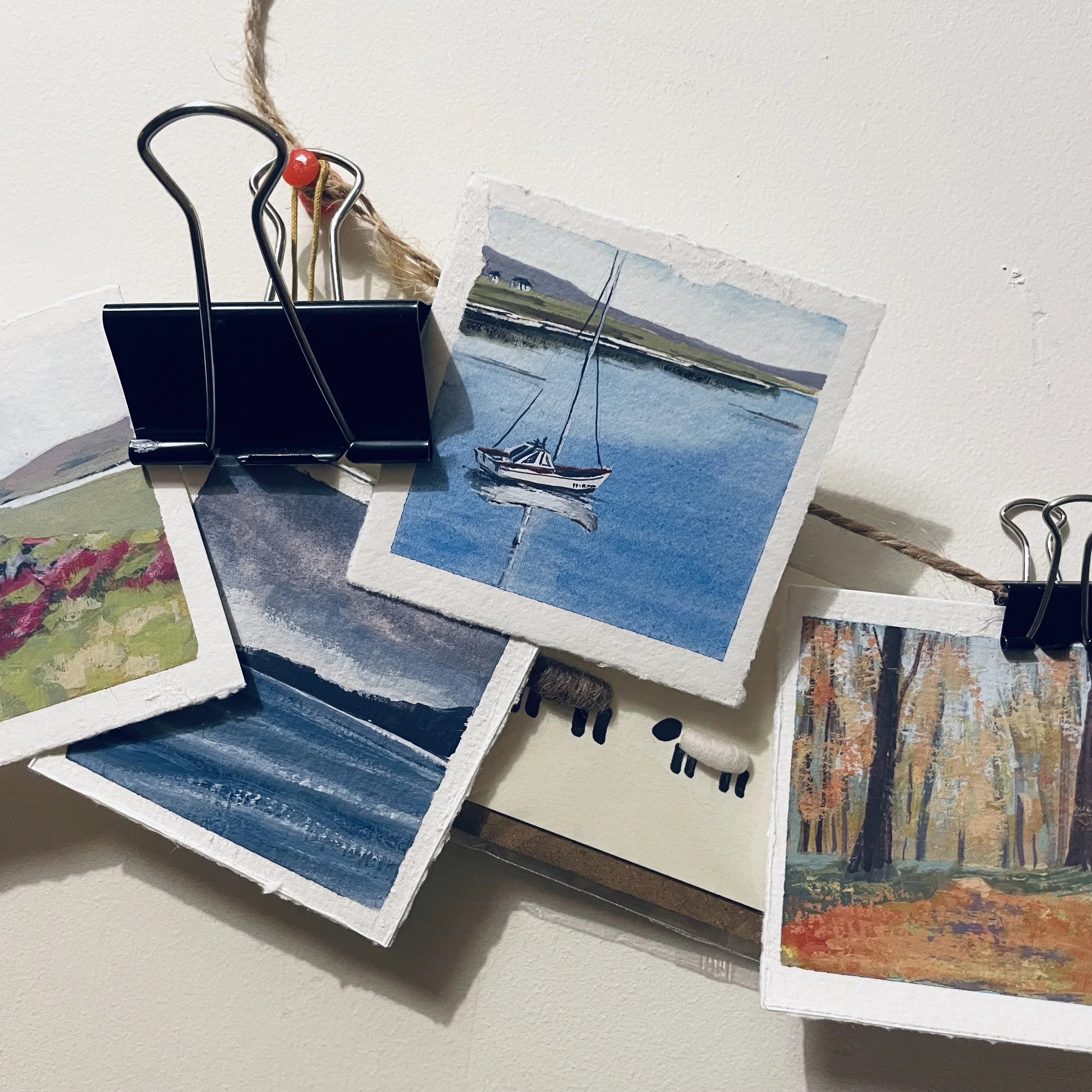
Clem
Clem - (Prefers not to use real name - she attended one of my workshops and we became long-distant friends) - https://bsky.app/profile/artandcrafter.bsky.social
How long have you pursuing art / working on your craft?
I’d been drawing very sporadically since I was a kid and it’s been 10-15 years since I actively learn and practice and slowly embrace my creative endeavours! Not necessarily only a painter but I find joy in creating things, it’s the only occupation that I find fulfilling.
I'm not a professional artist and I don't have followers or a presence on social media, it's something I consider from time to time but it's very scary and so far, I've not found enough commitment or energy in me to deep dive into a more serious existence online.
Right now I'm looking for smaller platforms that feel less daunting and hectic, I don't like how Instagram makes me feel now. So on that score, I'm not really fitting in with your question but the topic of change in general and in one's practice I find really interesting!
How did your practice change? Do you ever fear change, because it is uncertain, or worry your followers won’t like it?
I think I've always been scared of change, up until relatively recently when I realised that it was pretty useless to resist change in the end - that's what everything is about, we always change and we always adapt.
Have you gone through creative changes over the years - if so what were they?
In terms of art, the most important change for me is when I stepped up from being very precise and slow, when I started drawing more regularly (so I was an alright copyist and was able to draw nice enough portraits for instance) to being more loose and less precise. That really scared me because at first it felt like I was going back and not forward, but actually it opened a lot more possibilities for what I ultimately want to do and can do.
It's very true for arts and creative processes, I feel like we're always changing because our interests and inspirations change as well. Somehow I feel it applies in more aspects of life too.
About the followers and the risk of losing some, I also feel that it's always a possibility, whether you keep doing the same thing and some people stop following because their own interests are moving on, or you change style and it does not suit some people anymore either.
Personally, I'm following you because a lot of what you share resonates with me and I find your approach very inspiring and reassuring. I also really like what you do and it's motivated me to work more with gouache as well for instance, but I don't know if it's my favourite medium and I'm fine with that :)
Other artist I follow I don't necessarily love their style or what they do but I find them very inspirational ; I appreciate and am grateful for the work it takes to share what you do in the way you do it. It's not 100% about the art or the style : I'm passionate about the processes and the decisions that lead to the creation of a piece of art.
So to wrap this up, what I've recently learnt, partly thanks to you and other artists and life, it's a bit cliché but I feel like it's normal and alright to be scared of change but it's better when fear does not stop us from experimenting and evolving.